
Family










The 4-Letter Word I Hated That I Now Love
How my priorities changed when I reached my 60s.


AARP (Getty Images)
I was just finishing eighth grade when I started to understand that what I had was not enough. I wanted much more. I blame my best friend, Lyn, who was unknowingly influential in helping to create the glutton I became.
She was a teen from a two-income family with one sibling; I had a stay-at-home mom and three brothers. I knew her family was better off financially, though I had been comfortable with our status — until one afternoon after school.
We were discussing fashion when she pulled from her closet two new pairs of expensive leather shoes. They were the absolute cutest — one pair green, one navy, with a T-strap held by a button. While filled with envy, I tried to hide the lust that must have been obvious on my face.
I feared that the other girls would want to follow her shopping lead and become members of the Cool Club. But that was a club I had no hopes of joining. The 14-year-old version of me — the girl who desperately yearned to belong and be noticed — decided right then that the definition of having less really meant being less.
Less. I grew to despise the four-letter word. In my vocabulary, it was not an insignificant adjective describing a smaller amount, but an oversized label blaring “not enough.” My desire to acquire more of anything may have originated with shoes, but my list of “must haves” grew to needing more of everything — friends, opportunities, and experiences.
This, in my mind, would make me more of a valued person. I was not enough.
For the next 40 years, I wore myself out chasing what I thought “more” was. I wanted not just more, but the most life could offer. I finished the education I abandoned in my youth, snagged the job and salary I never dreamed I’d achieve, and married the hunkiest guy I considered perfect. I had an insatiable need to prove I was somebody. The person I was most trying to convince was me.
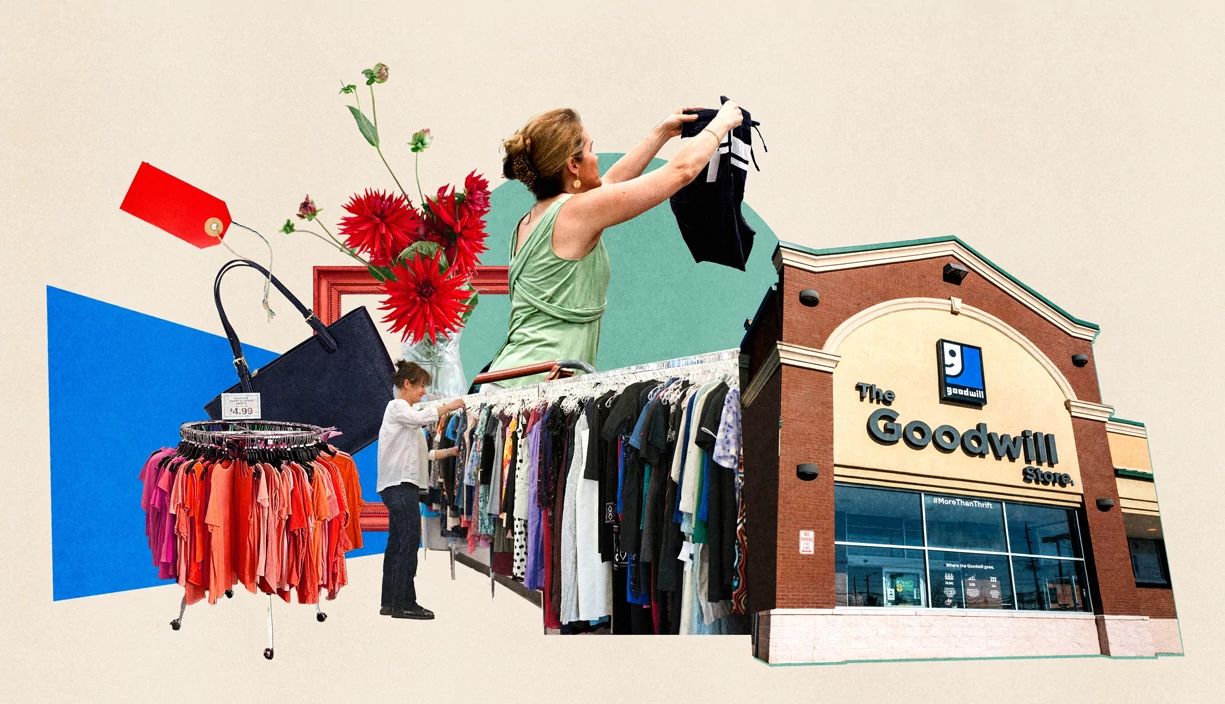
But when I entered my 60s, priorities began to change. After donating half of my wardrobe to Goodwill, I grudgingly admitted that quantity does not equal quality. A closet that is packed with toe-pinching, high-style shoes does not make me a valuable person. Just because I was able to attract many new friends did not mean I had any trusted confidantes.

Get the Must-Read Newsletter for Older Women
Sign up for the free, weekly newsletter with the latest stories, expert advice, community updates, and more.
I transformed from that person who cared too much about what other people thought of me into a person who cares much less. I realized the old saying is true: less is more. Time suckers like social media and endless television viewing have made me more conscious of not wasting precious time.
I am rekindling the simple pleasures of reading a hardcover book, biking and conversing with a voice instead of letting my fingers do the talking. Wasting less time on superficial things (and people) allows me more time to spend enjoying what life still has in store for me.
I don’t need more stuff that will eventually be hauled to Goodwill. I don’t need a horde of friends, just a few true ones. I want to lessen the harshness with which I critique my past decisions. I am becoming content in the knowledge my mistakes have made me wiser. I am lessening the constraints that seek to prevent me from finding that solace every person craves — inner peace.
The word “less” is no longer a despised four-letter word. I don’t know if it’s true that time heals all wounds, even profound regrets, but aging causes them to hurt less. At 66, that’s the kind of less that is enough for me.
What do you think of the above? Do you feel the same? Let us know in the comments below.
More From The Ethel


More for you, from AARP
We are a community from AARP. Discover more ways AARP can help you live well, navigate life, save money — and protect older Americans on issues that matter.